Reviewing Native American Floral Embroidery Patter for Real Use
As a designer who has spent countless hours staring at digitized files and watching needles dance across fabric, I have learned that not every pretty image translates well into thread. When I first opened the Native American Floral Embroidery Patter, my initial reaction was one of cautious optimism. The visual appeal is undeniable, but in our line of work, aesthetics are only half the battle. The real question is always: how does this perform under the needle?
This review is not just about whether the design looks good on a screen. It is about evaluating how this specific set of Graphics functions when translated into a tangible machine embroidery design. Whether you are an Etsy seller looking to expand your craft business inventory or a hobbyist creating a personalized gift, understanding the practical implications of this pattern is crucial before you commit to stitching.
First Impressions and Visual Mood
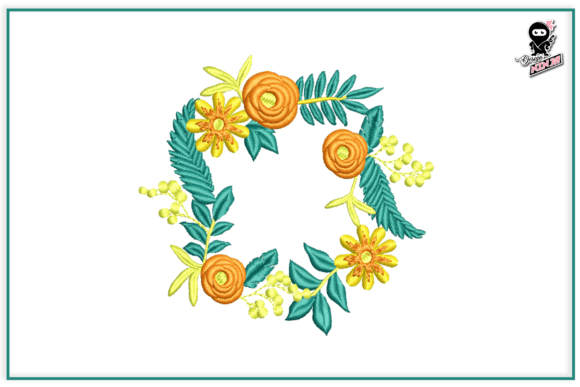
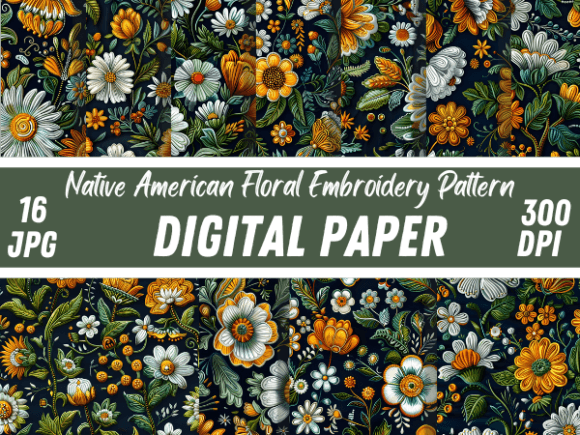
The Native American Floral Embroidery Patter carries a distinct mood. It blends traditional motifs with a soft, pastel palette that feels modern yet respectful of its roots. For me, the layout suggests a seamless flow, which is ideal for creating continuous borders or all-over prints. However, as a reviewer, I look closely at the detail level. Intricate lines can sometimes get lost if the stitch density is too low, or they can cause puckering if it is too high.
The theme naturally leans toward items that benefit from a gentle, organic touch. I immediately imagined this on a linen tote bag design or as a subtle accent on a baby’s nursery decor. The visual personality is calm and inviting, making it a strong candidate for products where comfort and warmth are key selling points.
Real-World Application Scenarios
To truly test the viability of this design, I mentally placed it into several common production scenarios. Here is how I see the Native American Floral Embroidery Patter performing in real-life embroidery situations:
- Custom Apparel: On a heavyweight cotton sweatshirt, this design would shine as sweatshirt embroidery. The texture of the fleece provides a stable base for the fill stitches, allowing the pastel colors to pop without sinking into the fabric.
- Baby Items: For baby embroidery projects like onesies or burp cloths, the soft color scheme is perfect. However, one must be careful with stabilizer choice to ensure the garment remains soft against sensitive skin.
- Home Decor: Imagine this as a border on a kitchen towel or a pillow cover. The repeatable nature of the pattern makes it excellent for framing edges, adding a touch of elegance to everyday items.
- Small Shop Products: For small shop product lines, this design offers versatility. It can be scaled down for embroidered patch creations or used as a central motif on tote bags, appealing to customers who value handmade quality.
Technical Considerations and Fabric Choices
While the design is versatile, it is not universal. There are specific contexts where the Native American Floral Embroidery Patter requires careful handling. If you are working with stretchy fabrics, such as jersey knits for t-shirts, you must use a cut-away stabilizer to prevent distortion. The design’s integrity relies on precise alignment, and stretch fabrics can shift during stitching.
Additionally, consider the hoop size. If you are attempting to stitch this on a curved surface like a cap, ensure your machine can handle the diameter without hitting the frame. Dense areas of the pattern may require a slower stitching speed to maintain clarity. I also advise testing the design on dark fabrics. Pastel threads may not provide enough contrast on black or navy materials unless you use an underlay stitch or choose brighter thread colors.
Stitch Types and Density
Understanding the underlying structure is key. A well-digitized file will balance satin stitch for outlines and fill stitch for larger floral areas. Running stitches should be used sparingly for fine details to avoid breakage. When reviewing the embroidery file, check for excessive jump stitches, which can lead to thread waste and messy backs. A clean back is just as important as a neat front, especially for items like scarves or lightweight shirts where the reverse side might be visible.
Enhancing Brand Value and Customer Trust
For commercial embroidery professionals, the quality of your design assets directly impacts your brand consistency. Using a high-quality digital embroidery file like this one can elevate your finished product. Customers associate clean, crisp stitching with professionalism. When they receive a holiday embroidery gift or a custom item that looks meticulously crafted, their trust in your brand grows.
This pattern can also serve as a valuable asset for creating printable mockup previews. By showcasing how the design looks on various products in your online store, you help customers visualize the end result, potentially increasing buyer engagement and conversion rates.
Practical Designer Notes
Before you launch into full production, here are my top recommendations for working with this pattern:
- Test on Scrap Fabric: Always stitch a sample on the same type of fabric you intend to use for the final product. This helps you identify any tension issues or registration errors.
- Check Thread Contrast: Ensure your thread colors stand out against the fabric. If using light threads on light fabric, consider adding a subtle shadow effect or changing the background color.
- Verify Licensing: Since these are digital products, confirm the license terms. Can you sell finished items? Are there restrictions on mass production? Always clarify this before listing items in your craft business.
- Inspect Small Details: Zoom in on the design file. Are there tiny elements that might not stitch out well? Simplify or remove them if necessary to ensure durability.
- Use Proper Stabilizer: Match your stabilizer to your fabric. Tear-away for stable woven fabrics, cut-away for knits, and wash-away for delicate or sheer materials.
In conclusion, the Native American Floral Embroidery Patter is a promising addition to any designer’s library. It offers a blend of cultural appreciation and modern aesthetic that fits well within current market trends. By approaching it with a critical eye and adhering to best practices in embroidery production, you can create stunning, high-value items that resonate with your customers. Remember, the best designs are those that not only look beautiful but also stand up to the rigors of real-world use.