Reviewing Heart Embroidery Designs for Real Projects
As a designer who has spent countless hours staring at digitized files and watching needles punch through fabric, I have learned that not all machine embroidery design files are created equal. When I first opened the folder for Heart Embroidery Designs, my initial reaction was one of cautious optimism. The preview looked clean, but we all know that a digital mockup rarely tells the whole story. My job is to determine if these intricate patterns hold up under the pressure of real-world production, whether for a high-end boutique or a bustling Etsy shop.
The First Impression: Mood and Visual Personality
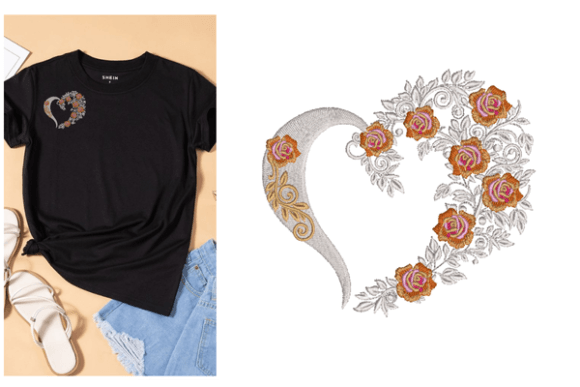
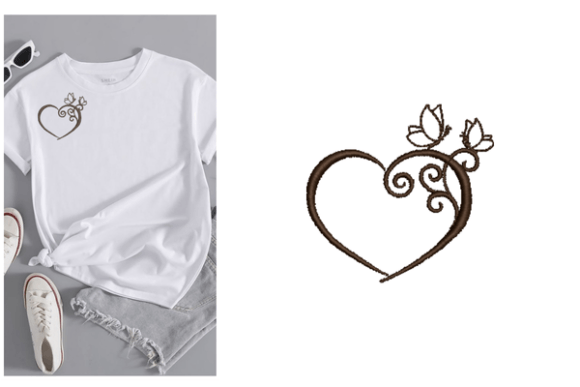
The immediate vibe of this collection is romantic yet structured. Unlike some overly simplistic heart shapes that can look childish or amateurish on finished goods, these designs feature a level of intricacy that suggests sophistication. The layout balances negative space with detailed fill work, creating a visual rhythm that draws the eye without overwhelming it. For those of us working in the realm of Wedding Designs, this balance is critical. A wedding gift or bridal accessory needs to feel special, not mass-produced.
I noticed that the lines flow naturally, which is a good sign for stitch execution. Jagged or abrupt direction changes in a digital file often translate to thread breaks or puckering in the finished product. Here, the curves seem deliberate, suggesting that the digitizer considered how the thread would lay down on the fabric. This attention to detail is what separates a hobbyist’s experiment from a professional design asset.
Real-World Application: From Tote Bags to Bridal Gifts
To truly test the viability of Heart Embroidery Designs, I imagined a specific scenario: a custom order for a local boutique specializing in personalized baby items and wedding favors. The client wanted a set of muslin swaddle blankets and canvas tote bags. This is where the rubber meets the road.
For the tote bags, the design’s structure held up beautifully. Canvas is a sturdy fabric, but it can be unforgiving if the stitch density is too high. These hearts appeared to use a mix of satin stitch borders and lighter fill stitch centers, which is ideal for maintaining flexibility in the bag’s material. On the muslin swaddles, however, I had to pause. Muslin is thin and prone to shifting. While the design is gorgeous, using it on such a delicate fabric texture would require careful stabilization and potentially a lighter weight thread to prevent the fabric from gathering around the stitches.
This versatility makes the collection useful for various embroidery project types. I could see these working well on:
- Sweatshirt embroidery: The bold lines would stand out against fleece or cotton blends.
- Embroidered patch creation: The defined edges make it suitable for cutting out and applying as an applique.
- Holiday embroidery: Perfect for Valentine’s Day merchandise or anniversary gifts.
- Custom apparel: Adding a subtle touch to denim jackets or linen shirts.
Technical Considerations and Stitch Performance
When evaluating any digital embroidery file, I always look for potential pitfalls. One area where Heart Embroidery Designs requires attention is in the smaller details. If you are planning to scale this design down for a small item, like a baby’s onesie or a pocket accent, you must check the minimum stitch length. Tiny elements can become lost or turn into a blob of thread if the machine cannot execute them precisely.
Another factor is the hoop size. While the design looks balanced in standard hoops, placing it on curved surfaces like caps requires extra caution. The curvature of a cap can distort the perception of the heart’s symmetry. I recommend running a test stitch on a similar curved surface before committing to a client’s expensive headwear. Additionally, if you are using this as an applique design, ensure that the placement lines are clear and that the tack-down stitches are secure enough to hold the fabric layer in place during the final satin stitch border.
Thread choice plays a massive role here. Because the designs feature intricate patterns, high-contrast thread colors will highlight the detail, while monochromatic schemes will emphasize the texture. For a handmade product intended for sale, I suggest testing both. A white-on-white embroidery on a cream linen towel looks elegant and understated, perfect for a sophisticated personalized gift. Conversely, a bright red on black creates a bold statement piece that might appeal to a younger demographic on social media.
Commercial Viability for Craft Businesses
For Etsy sellers and small shop product creators, the question is always about perceived value. Does this design make the item look expensive? In my assessment, yes. The complexity of the pattern adds a layer of craftsmanship that customers associate with quality. It elevates a simple tote bag design into a keepsake item.
However, commercial use comes with responsibilities. Before listing these items in your craft business, you must verify the licensing terms. Not all machine embroidery design packages allow for unlimited commercial sales. Check the documentation provided with the embroidery file to ensure you are compliant. Additionally, consider how the design photographs. For your online listings, create a printable mockup or take high-resolution photos that show the sheen of the thread. Buyers want to see the texture, not just the shape.
Practical Designer Notes for Best Results
To get the most out of Heart Embroidery Designs, follow these practical steps before starting your next commercial embroidery run:
- Test on scrap fabric first: Never skip this step. Use the same type of fabric and stabilizer you plan to use for the final product.
- Check thread color contrast: Ensure your thread stands out appropriately against the background material.
- Review stitch density: If the design feels too stiff after stitching, consider reducing the density in your editing software if you have the skills, or choose a lighter stabilizer.
- Confirm hoop size: Make sure the design fits comfortably within your hoop with adequate margin for clamping.
- Inspect small details: Zoom in on the digital file to check for any stray stitches or overlapping paths that could cause jams.
- Use proper stabilizer: Match the stabilizer to the fabric. Cut-away for stretchy fabrics, tear-away for stable wovens.
- Verify licensing: Confirm whether the license allows for selling physical finished items or digital products.
In conclusion, Heart Embroidery Designs offers a strong foundation for creators looking to add a touch of elegance to their work. It is not just a generic shape; it is a thoughtfully constructed pattern that respects the mechanics of embroidery machines. Whether you are creating a baby embroidery piece for a shower gift or branding merchandise for a boutique, these designs provide the professional polish needed to build customer trust. Just remember to respect the materials, test thoroughly, and let the quality of your stitching speak for itself.