Review: Witch Embroidery Design for Craft Fairs
As an embroidery designer who has spent countless weekends standing behind booths at local craft fairs and handmade markets, I have learned that not every design translates well from a screen to a physical product. When I first loaded the Witch Embroidery Design into my digitizing software, I was looking for more than just cute aesthetics. I was looking for a workhorse design that could drive sales during the busy autumn season. This review breaks down how this enchanting motif performs in the real world of small business production.
First Impressions and Visual Appeal
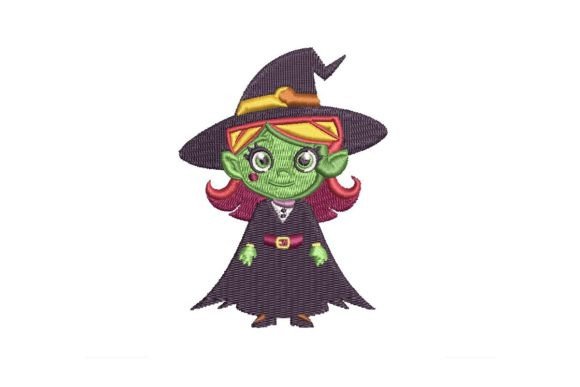
The description promises a "whimsical witch" with a broomstick and pointy hat, and visually, it delivers on that promise without falling into the trap of being overly complex. In a crowded marketplace, clarity is king. Customers walking past your booth have seconds to decide if they will stop. This design strikes a balance between festive Halloween charm and year-round whimsical appeal. It does not scream "spooky" so loudly that it becomes unsellable after October 31st; instead, it offers a magical, storybook quality that fits well within the cottagecore and modern farmhouse trends that dominate current handmade markets.
The silhouette is distinct. The pointy hat and broomstick are iconic shapes that are recognizable even from a distance. For an Etsy seller or boutique maker, this immediate recognizability is crucial for thumbnail images and printable mockups. The design feels bold enough to be a focal point but remains light enough to serve as a charming accent.
Product Versatility for the Craft Fair Booth
One of the strongest assets of this machine embroidery design is its adaptability across various substrates. When preparing my inventory for a weekend market, I tested this motif on several key items:
- Tote Bags: A canvas tote with this witch centered on the front is a bestseller. The design scales beautifully to a 4x4 or 5x7 area, making it substantial enough to be seen while carrying groceries or books.
- Aprons: Kitchen towels and aprons are staple handmade products. Placing the witch on the bib of an apron adds personality to a functional item. It transforms a plain cotton apron into a giftable piece for the home cook who loves seasonal decor.
- Embroidered Patches: If you offer iron-on or sew-on patches, this design is ideal. The clean lines allow for tight satin stitches around the edges, creating a professional finish that holds up to washing.
- Caps and Hats: Curved surfaces are tricky, but because the design is relatively compact, it works well on the front panel of a baseball cap. It adds a subtle touch of magic without overwhelming the wearer.
For those selling digital embroidery files, this design is a strong addition to a Halloween bundle. It appeals to hobbyists who want a quick, satisfying project that yields a high-quality finished product.
Production Practicality and Stitch Density
From a production standpoint, time is money. A design that takes four hours to stitch is rarely viable for a high-volume craft fair vendor unless you are charging premium prices. While I cannot specify the exact stitch count without seeing the specific file version, the visual simplicity suggests a moderate stitch density. This is beneficial for two reasons: faster production times and less puckering on lighter fabrics.
However, experienced embroiderers must pay attention to the details. The broomstick bristles and the tip of the hat require precise tension settings. If the thread colors do not contrast sufficiently against the fabric, these fine details may get lost. I recommend using a darker thread for the outline and a slightly lighter shade for fill areas to create depth. Always test the design on scrap fabric before committing to your final inventory. Check for pull compensation, especially if you are using textured materials like waffle-weave tea towels.
Navigating Fabric and Stabilizer Challenges
Not all fabrics behave the same way. When working with this embroidery file, consider the following material constraints:
- Dark Fabrics: If stitching on black or navy, ensure your digitizer has included underlay stitches to prevent the fabric color from showing through the lighter threads of the witch’s face or hat band.
- Textured Towels: Tea towels have a loose weave. Use a cut-away stabilizer rather than tear-away to support the stitches and prevent distortion over time.
- Curved Surfaces: For caps, use a stiff backer stabilizer to keep the design flat and prevent the fabric from sinking into the stitches.
These technical considerations are what separate amateur hobbyists from professional commercial embroidery providers. Your customers may not know what a stabilizer is, but they will notice if a design looks sloppy or puckered after one wash.
Marketing and Brand Consistency
Beyond the stitching, consider how this design supports your brand. Does it fit your aesthetic? If your shop focuses on minimalist modern goods, this whimsical witch might feel out of place. However, for shops that embrace color, storytelling, and seasonal joy, it is a perfect fit. Use this design to create cohesive design assets for your social media. Photograph the embroidered tote next to pumpkins or autumn leaves to create a lifestyle image that resonates with buyers.
For online listings, a clear printable mockup can help customers visualize the size and placement. Show the design on multiple products to demonstrate its versatility. This helps reduce customer hesitation and increases conversion rates.
Final Verdict for Small Shop Owners
The Witch Embroidery Design is a solid contender for your autumn product line. It balances visual charm with production efficiency. It is easy to understand at a glance, works on a variety of popular craft fair products, and offers enough detail to look premium without requiring excessive machine time.
Before you begin batch production, remember to verify the specific license terms associated with your purchase. Ensure you have the rights for commercial embroidery if you plan to sell physical goods. Check the recommended hoop size to ensure it fits your machine’s capabilities. By treating this digital asset with the same care as your physical materials, you can create a standout collection that draws customers to your booth and keeps them coming back for more magic.