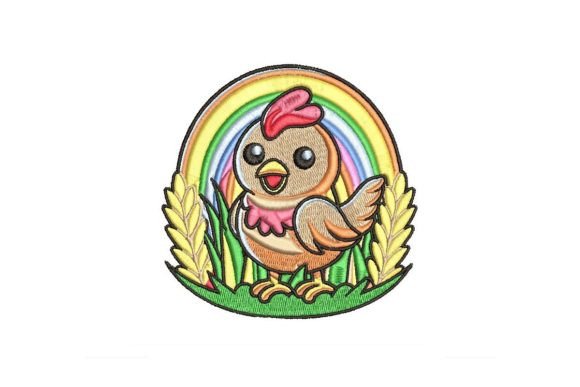
Review: Colorful Chicken Embroidery Design
As a designer who spends half my life staring at digitized files and the other half pulling bobbins out of jammed machines, I have learned to be skeptical of cute motifs. It is easy to make something look adorable on a screen, but translating that charm into thread without creating a puckered mess or a stiff cardboard patch is an entirely different challenge. When I first loaded the Colorful Chicken Embroidery Design into my software, I was looking for more than just aesthetic appeal. I wanted to know if this file could hold up in a real-world production environment, whether for a quick personalized gift or a batch of inventory for a small shop.
First Impressions and Visual Personality
The immediate vibe of this design is cheerful and unpretentious. In the realm of Farm Animals themed Embroidery, chickens are a staple, but they often fall into two traps: overly complex realism that loses definition at small sizes, or simplistic clip-art styles that lack texture. This design strikes a balance. The layout feels organic, with a visual personality that suggests warmth and home comfort. It does not scream for attention with aggressive outlines but invites the viewer in with its bright, welcoming composition.
For a 4×4 hoop size, the detail level is surprisingly robust. I noticed that the shapes are clean, which is critical when you are working within such a confined space. There is no unnecessary clutter. The design relies on smart color blocking rather than microscopic details that might get lost in the fabric grain. This makes it an excellent candidate for projects where clarity is key, such as items that will be viewed from a distance or handled frequently.
Real-World Application: The Tote Bag Test
To truly evaluate a machine embroidery design, you have to stitch it. I decided to test this on a heavy-weight canvas tote bag, a popular item for Etsy sellers and craft fair vendors. Canvas can be unforgiving; if the stitch density is too high, the fabric warps. If it is too low, the background shows through.
Using a medium-weight cut-away stabilizer, I ran the file. The result was impressive. The fill stitch areas laid flat, providing solid coverage without excessive bulk. The transition between the thread colors was smooth, suggesting good digitizing logic in the color changes. For a handmade product intended for daily use, this durability is essential. A customer buying a tote with this chicken motif wants it to survive grocery runs and washes, not just look pretty on a shelf.
Versatility Across Product Lines
Beyond totes, this design shines in several other categories. For sweatshirt embroidery, the brightness of the colors pops against heather gray or navy fleece. It works equally well as a baby embroidery element on a onesie, provided you use a soft backing to protect sensitive skin. I also see potential for this as an embroidered patch. Because the edges are well-defined, it could be stitched onto twill, cut out, and merrowed or satin-stitched around the border for a professional boutique finish.
For custom apparel like aprons, the design adds a touch of whimsy that appeals to home cooks and gardening enthusiasts. It fits naturally into the narrative of kitchen textiles, making it a strong choice for holiday embroidery gifts, particularly around Easter or Thanksgiving. However, its bright palette allows it to remain relevant year-round, avoiding the seasonal slump that plagues many thematic designs.
Technical Considerations and Fabric Choices
While the design is versatile, it is not without its constraints. Working with a 4×4 hoop size means you must be precise with placement. On curved surfaces like caps or hats, alignment becomes tricky. I would advise caution when placing this on structured caps unless you have significant experience with 3D foam or cap frames. The design’s width might push the limits of standard cap hoops, potentially causing distortion.
Fabric texture also plays a role. On smooth cotton or poly-blends, the satin stitch elements will gleam nicely. However, on highly textured fabrics like terry cloth or loose-weave linen, some of the finer running stitch details might get swallowed by the pile. In those cases, increasing the stabilizer stiffness or using a topping sheet can help maintain stitching clarity.
Dark fabrics present another challenge. Since this is a colorful design, it likely relies on light or mid-tone threads. If you plan to stitch this on black denim or dark fleece, you must check the embroidery file for underlay stitches. Proper underlay is crucial to prevent the dark fabric from peeking through the lighter top stitches. If the file lacks sufficient underlay, you may need to add a layer of white thread beneath the colors, which requires editing capabilities in your digitizing software.
Commercial Viability and Brand Consistency
For craft business owners, consistency is currency. A design that looks different every time you stitch it erodes customer trust. This Colorful Chicken Embroidery Design appears stable. The stitch paths are logical, reducing the risk of thread breaks or bird nests during production runs. This reliability translates directly to product value. A clean, crisp embroidered item signals professionalism, encouraging buyers to engage with your brand and return for future purchases.
When creating printable mockup assets for your online store, this design photographs well. The contrast between the colors creates depth, making digital previews look vibrant and inviting. This is a subtle but powerful advantage for digital product sellers who rely on visual appeal to drive clicks.
Practical Designer Notes
Before committing to a large batch of finished product inventory, take these steps:
- Test on scrap fabric: Always run a test stitch on the exact material you plan to use. Check for puckering and registration issues.
- Check thread contrast: Ensure your thread palette matches the intended mood. Swapping a bright yellow for a mustard tone can change the entire feel of the piece.
- Review stitch density: If stitching on thin fabric like a hankie or lightweight tee, consider reducing density slightly to prevent stiffness.
- Confirm hoop size: While tailored for 4×4, ensure your machine’s actual hoop dimensions accommodate the design with enough margin for clamping.
- Inspect small details: Zoom in on the digitized file. Look for jumps or trims that seem excessive, which can increase production time.
- Licensing check: Verify the license terms. Most commercial embroidery files allow selling finished physical items, but restrictions may apply to reselling the digital file itself or using it in mass-produced manufacturing.
In conclusion, the Colorful Chicken Embroidery Design is a solid addition to any designer’s library. It balances charm with technical practicality, making it suitable for both novice hobbyists and seasoned small shop product creators. It respects the limitations of the hoop size while maximizing visual impact. Whether you are creating a personalized gift for a friend or stocking your boutique with unique design assets, this file offers the reliability and aesthetic appeal needed to succeed in today’s handmade market.