Review: Butterfly Bean Stitch Embroidery Design
As a designer who has spent countless hours staring at digitizing software and even more time watching needles punch through fabric, I have developed a keen eye for what makes a machine embroidery design truly viable. It is not just about how the graphic looks on a screen; it is about how it translates to thread, how it behaves under tension, and ultimately, how it holds up in the hands of a customer. Recently, I had the opportunity to evaluate the Butterfly Bean Stitch Embroidery Design, a piece categorized under Bugs that promises delicate beauty in a compact format. Here is my practical assessment of its potential for real-world projects.
First Impressions and Visual Personality
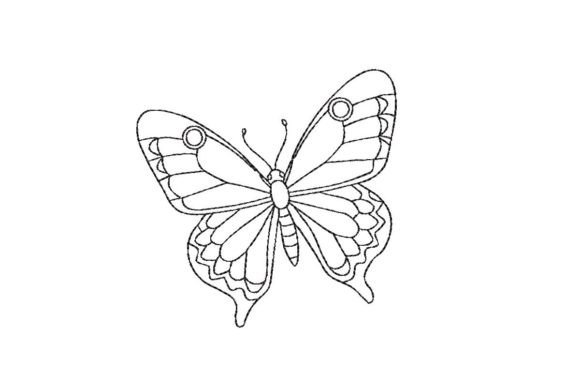
The first thing that strikes you about this embroidery file is its inherent softness. Unlike aggressive satin stitches that can look rigid or plasticky on certain fabrics, the bean stitch technique offers a textured, organic feel. This is crucial when working with themes from nature. A butterfly should feel light and airy, not heavy and industrial. The layout is tailored for a 4×4 hoop size, which immediately tells me this is designed for precision and subtlety rather than large-scale impact. It creates a mood of gentle elegance, making it an ideal candidate for projects where understated charm is preferred over bold statements.
When I visualize this design, I do not see it as a standalone centerpiece for a large blanket. Instead, I see it as a perfect accent. The visual personality is friendly and approachable, lacking the sharp, intimidating edges that some insect-themed designs can inadvertently carry. This makes it versatile across age groups, from nursery decor to adult apparel.
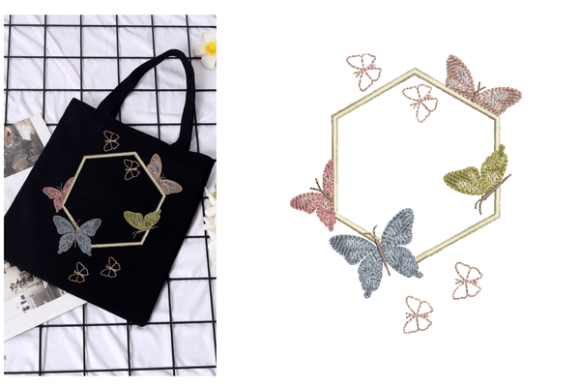
Real-World Application: The Custom Tote Test
To truly understand the value of a design, I always run a mental simulation of a specific product. Let us consider a custom embroidered tote bag, a staple for many Etsy sellers and craft business owners. Using the Butterfly Bean Stitch Embroidery Design on a canvas tote requires careful consideration of stitch density. Canvas is thick and can be unforgiving if the digitizing is too dense, leading to puckering or needle breaks.
Because this design utilizes bean stitches, which are essentially a variation of running stitches that double back on themselves, it tends to be lighter on the fabric than a full fill stitch. This is a significant advantage for tote bags and sweatshirt embroidery projects. The result is a clean, crisp image that does not weigh down the garment or distort the fabric grain. If I were producing this for a small shop product line, I would feel confident that the finished product would maintain its shape after washing, provided the correct stabilizer was used.
Versatility Across Product Lines
Beyond totes, this design shines in several other categories. For personalized gift creators, it is an excellent choice for baby embroidery items. The soft texture of the bean stitch is less likely to irritate sensitive skin compared to dense satin columns, making it suitable for onesies or burp cloths. Similarly, for custom apparel like t-shirts and aprons, the 4×4 footprint allows for placement on pockets, collars, or cuffs without overwhelming the garment.
I also see strong potential for holiday embroidery projects. Spring-themed bundles featuring this butterfly could sell well as seasonal design assets or finished goods. It pairs beautifully with floral elements, allowing designers to create cohesive collections for boutique branding. Whether used on a kitchen towel or a pillow cover, the design adds a touch of whimsy that enhances the perceived value of the handmade item.
Technical Considerations and Fabric Compatibility
While the design is robust, it is not without its limitations. As an experienced reviewer, I must point out where caution is needed. The 4×4 hoop size constraint means this is not suitable for large-scale applications. If you are looking to create a massive back patch for a jacket, this is not the right file. Furthermore, while bean stitches are generally forgiving, they rely on precise tension. On highly stretchy fabrics like jersey knits, improper hooping or lack of cut-away stabilizer can lead to distortion.
Another factor to consider is thread colors. Because the bean stitch creates a textured line rather than a solid block of color, the contrast between the thread and the fabric texture is vital. On dark fabrics, using a lighter, high-sheen thread will make the design pop. On light fabrics, a matte cotton thread might provide a more subtle, vintage look. I always recommend testing the design on scrap fabric first to gauge how the specific thread brand interacts with the stitch pattern.
Stitching Clarity and Detail
One concern with smaller designs is the loss of detail. However, the simplicity of the butterfly shape works in its favor here. There are no tiny, intricate corners that are prone to thread bunching. The curves are smooth, suggesting that the digitizer has accounted for the natural pull of the thread. This attention to detail ensures stitching clarity, which is essential for maintaining professionalism in commercial products. A blurry or messy embroidery job can damage customer trust, but a clean execution reinforces the quality of your handmade product.
Practical Designer Notes
Before integrating the Butterfly Bean Stitch Embroidery Design into your workflow, keep these practical tips in mind:
- Test on Scrap Fabric: Always run a test stitch-out on the same type of fabric you intend to use for the final product. This helps identify any tension issues.
- Check Stabilizer Choice: For stretchy fabrics like t-shirts, use a cut-away stabilizer. For woven fabrics like aprons or tote bags, a tear-away may suffice, but hooping firmly is key.
- Verify File Compatibility: Ensure the digital embroidery file format matches your machine. While most modern machines accept multiple formats, it is best to confirm before purchase.
- Review Licensing Terms: If you plan to sell finished items or use this in commercial embroidery projects, check the license agreement. Some designers allow unlimited sales of physical goods, while others have restrictions.
- Mockup Testing: Create printable mockup images to see how the design looks in different colorways. This helps in marketing your Etsy listings effectively.
Final Verdict on Value and Appeal
In the competitive world of small business merchandise, standing out requires both quality and aesthetic appeal. The Butterfly Bean Stitch Embroidery Design offers a balanced combination of both. It is not just a generic clipart conversion; it feels thoughtfully digitized for the medium. The use of bean stitches adds a tactile quality that elevates the finished product beyond simple decoration.
For creative entrepreneurs and hobbyists alike, this design represents a safe yet stylish choice. It is versatile enough to fit into various niches, from embroidered patch collections to nursery decor. Its modest size makes it cost-effective in terms of thread usage and machine time, which is a crucial factor for profitability. When customers see a well-executed bean stitch design, they recognize the care taken in its creation. This recognition builds brand consistency and encourages repeat business.
Ultimately, this design earns a place in my library not because it is flashy, but because it is reliable. It performs well in real-life embroidery situations, respects the limitations of the hoop size, and delivers a consistent, attractive result. For anyone looking to add a touch of natural beauty to their craft fair products or online store, this butterfly is worth considering. Just remember to respect the technical requirements, choose your threads wisely, and let the texture of the stitch do the talking.