Potted Plants Applique Embroidery Review
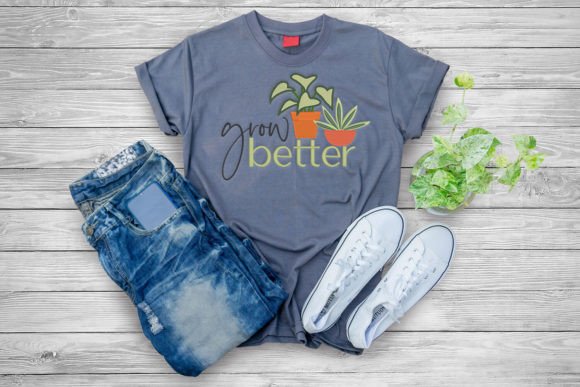
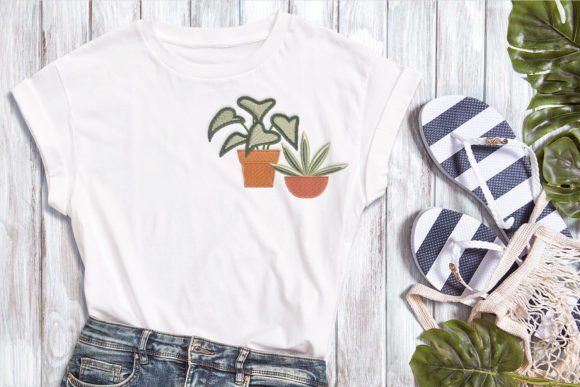
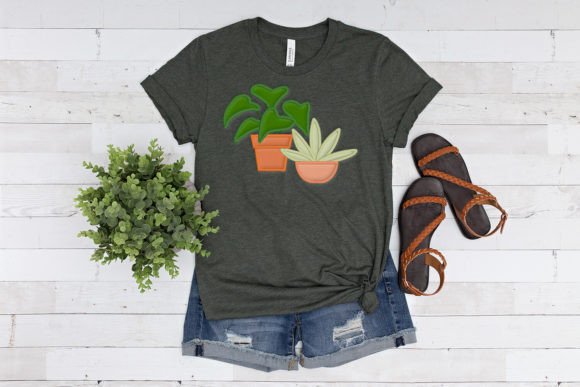
As an embroidery designer who has spent countless weekends behind a craft fair table, I know that the difference between a browser and a buyer often comes down to visual impact. When I first loaded the Potted Plants Applique Embroidery file into my software, my immediate thought was about versatility. This isn’t just another floral motif; it is a strategic asset for anyone looking to expand their handmade product line with something that feels both modern and timeless. The design features two potted plants, offering a balanced composition that speaks directly to the current demand for botanical and home-centric decor.
First Impressions and Market Appeal
The aesthetic of this machine embroidery design leans heavily into the popular farmhouse and modern rustic categories. It feels approachable, cute, and undeniably fresh. For an Etsy seller or a boutique maker, this vibe is gold. It doesn’t scream "holiday specific," which means it can sit on your digital shelf or physical booth year-round. The applique technique is a smart choice here. By using fabric patches for the pots and leaves, you reduce the stitch density significantly compared to a fully satin-stitched design. This results in a softer hand feel on the final garment and faster machine run times, which is crucial when you are trying to scale up production for a busy market season.
When evaluating Potted Plants Applique Embroidery, consider how it fits into the broader Single Flowers category while offering more complexity through the pot element. It stands out because it tells a small story of home and care, rather than just being a decorative flower. This emotional connection is what drives sales in the craft fair product space.
Product Versatility and Application
The true test of any embroidery file is how well it translates across different substrates. I mentally placed this design on several key items that dominate my best-seller list. First, the tote bag design potential is enormous. A canvas tote with this greenery motif appeals to shoppers looking for eco-friendly, stylish carryalls. The two-plant layout provides enough width to look substantial on a standard tote without overwhelming the fabric.
Next, consider apron embroidery. Kitchen linens are perennial favorites. This design works beautifully on a half-apon or a full bib apron, adding a touch of personality that mass-produced items lack. Similarly, for tea towel embroidery, the applique method ensures the towel remains absorbent and soft, avoiding the stiff, plastic-like feel that dense stitching can create.
For smaller items, this design shines as an embroidered patch. You can stitch it out on felt or twill, cut it out, and sell it as a standalone accessory for jackets or bags. It also works well on caps, though you must be mindful of the curved surface. The horizontal nature of the two pots might require careful hooping to ensure neither plant distorts on the front panel of a baseball cap.
Production Practicalities for Small Shops
From a production standpoint, efficiency is key. The description notes that Potted Plants Applique Embroidery includes 8 formats and 5 sizes in a zip file, covering DST, EXP, HUS, JEF, PEC, PES, VP3, and XXX. This variety is essential for a small shop product lineup because it allows you to use the same design on a tiny pouch and a large pillow cover without losing quality. However, always check the specific dimensions included in the file before purchasing to ensure they match your most common hoop sizes.
Batch production is where this design earns its keep. Because applique requires placing fabric and then stitching over it, there is a slight increase in manual handling time. However, the reduction in machine runtime often balances this out. When creating a printable mockup for your online listings, ensure you show the texture of the applique fabric. Customers love seeing the contrast between the thread and the fabric patch, as it highlights the handmade quality of the item.
Critical Considerations for Quality Control
While this design is robust, there are careful-use notes every embroiderer should heed. First, fabric choice matters. On textured towels, ensure your stabilizer is strong enough to prevent the fabric from pulling into the stitches. For dark fabrics, pay close attention to your thread colors. You may need to adjust the outline stitch color to ensure the pots and plants pop against the background.
Tiny details can get lost if you scale the design down too far. If you are using the smallest size included in the package for a petite pocket or a small cosmetic bag, verify that the definition of the leaves remains clear. Dense stitch areas are minimal here due to the applique nature, but the tack-down stitches must be precise. Always test the design on scrap fabric that matches your final product material. This step is non-negotiable for maintaining brand consistency and avoiding wasted materials.
Additionally, confirm commercial licensing before selling finished products. While many digital sellers offer broad rights, it is vital to read the specific terms associated with this digital embroidery file. Ensuring you have the right to sell the finished product protects your business and gives you peace of mind as you grow.
Enhancing Visual Appeal and Buyer Engagement
In a crowded craft fair aisle, Potted Plants Applique Embroidery acts as a visual anchor. The green tones are naturally eye-catching and evoke a sense of calm and freshness. When setting up your booth display, group items featuring this design together to create a cohesive collection. This strategy strengthens your brand identity and makes it easier for customers to visualize the items in their own homes.
For online sales, use high-resolution images that capture the texture of the applique. Show the design on various items to demonstrate its versatility. A video showing the stitching process or the final product in use can significantly boost buyer engagement. Remember, you are not just selling an embroidered item; you are selling the feeling of a curated, thoughtful home.
Final Designer Notes
To maximize the potential of this design, start by creating at least one real mockup. Compare different fabric colors for the applique pieces to see which combinations offer the best contrast. Review the spacing between the two plants to ensure they look balanced on your chosen hoop size. Use the right stabilizer for your fabric type—cut-away for stretchy knits and tear-away for stable wovens.
Ultimately, Potted Plants Applique Embroidery is a strong contender for any embroidery business owner looking to add value to their inventory. It combines aesthetic appeal with practical production benefits, making it a reliable choice for both commercial embroidery projects and personal creative endeavors. By paying attention to detail and understanding your market, you can turn this simple design into a standout bestseller.