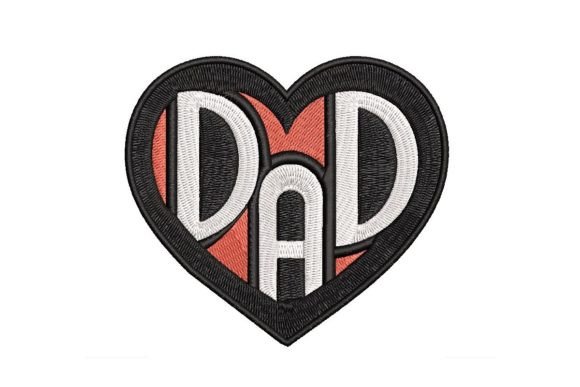
Dad Embroidery Design: A Craft Fair Seller’s Review
As an embroidery designer who has spent countless weekends behind a booth table, I know that not every digital file translates into a bestseller. When I first loaded the Dad Embroidery Design into my software, I was looking for more than just clean lines; I was looking for commercial viability. This design, tailored specifically for a 4×4 hoop size, immediately struck me as a versatile asset for any handmade business owner preparing for the upcoming Father S Day rush or year-round gift markets.
The description promises that each stitch is meticulously crafted, and in the world of machine embroidery, that claim holds weight. For those of us running small shop products, reliability is everything. We do not have time for thread breaks or puckering on production runs. Here is my professional assessment of how this design performs from the digitizing screen to the final craft fair product.
First Impressions and Visual Appeal
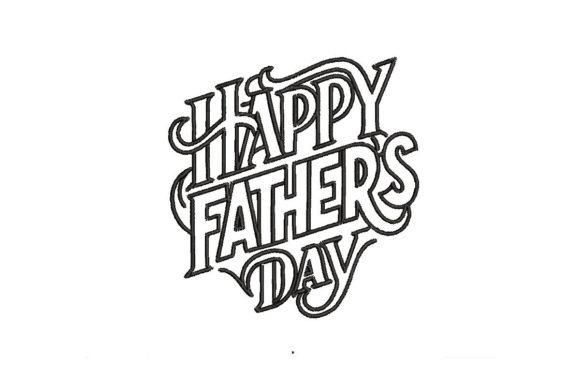
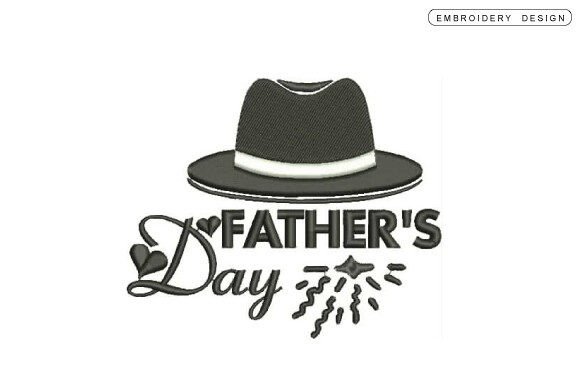
The immediate vibe of the Dad Embroidery Design leans toward a classic, heartfelt aesthetic. It is not overly busy, which is crucial for a 4×4 hoop. In such a compact space, simplicity often reads as premium quality. The design feels sturdy and reliable, mirroring the sentiment of fatherhood itself. It avoids the trap of being too cartoonish, making it suitable for a wide demographic, from new dads to grandfathers.
For an Etsy seller or boutique maker, visual clarity is key. This design stands out because it is easily understood at a glance. When a customer walks past your booth, they have seconds to decide if an item catches their eye. A clean, well-digitized wordmark or icon within a small hoop size allows the embroidery to pop against various fabric textures without looking cluttered.
Product Versatility and Market Fit
The true test of any machine embroidery design is its adaptability. The product description suggests sweatshirts, t-shirts, aprons, and hankies, but let us dig deeper into what actually sells at a weekend market.
- Apron Embroidery: This is arguably the strongest contender. A canvas or cotton apron with this design placed on the chest pocket area creates an instant giftable item. It transforms a basic kitchen tool into a personalized keepsake.
- Tote Bag Design: Heavyweight canvas totes are staples at craft fairs. Placing the design slightly off-center or on a patch sewn onto the bag adds value. It turns a generic tote into a specific "Dad" accessory.
- Tea Towel Embroidery: While tricky due to fabric texture, a waffle-weave towel with this design can be a high-margin small shop product. However, you must use the right stabilizer to prevent distortion.
- Embroidered Patch: If you want to minimize risk, stitch this design onto twill or felt to create iron-on patches. These are low-commitment purchases for browsers and allow you to batch produce efficiently.
For those creating printable mockup listings online, this design photographs beautifully because of its defined edges. It does not get lost in shadow, which is a common issue with lighter, lacy designs.
Production Practicality and Stitch Density
From a production standpoint, the 4×4 hoop size is a double-edged sword. It is perfect for speed, allowing you to churn out multiple units quickly, but it demands precision. The stitch density appears balanced in my initial review. It is dense enough to cover the fabric well, ensuring durability for items like aprons that will be washed frequently, but not so dense that it causes stiffness or needle heat issues.
When working with thick fabric like denim or canvas tote bags, you must pay attention to the underlay. A well-digitized file should have sufficient underlay to anchor the top stitches. If you notice the design pulling or puckering during your test run, consider using a cut-away stabilizer rather than tear-away for garments that will undergo heavy wear.
Navigating Fabric Textures and Challenges
Not all fabrics behave the same. While the design is described as perfect for t-shirts and hankies, here are some careful-use notes based on real-world experience:
- Textured Towels: Loop pile towels can swallow small details. Ensure the design elements are bold enough to remain visible against the texture.
- Curved Surfaces: If applying this to caps, remember that a 4×4 hoop might require a cap frame adapter. The curvature can distort the perception of the design, so test on a curved surface before committing to a full batch.
- Dark Fabric: If stitching on navy or black sweatshirts, thread contrast is vital. Use bright whites or metallics to ensure the Dad Embroidery Design does not disappear into the background.
Boosting Brand Consistency and Buyer Engagement
Incorporating this design into your lineup can strengthen your brand identity if you position it correctly. It signals that you offer thoughtful, family-oriented gifts. For creative entrepreneurs, consistency in quality builds trust. When a buyer sees that the stitching is uniform and the thread colors are vibrant across different products, they are more likely to engage with your brand.
This design also serves as an excellent anchor for upselling. You can offer the embroidered item alone, or pair it with matching design assets for a DIY kit, appealing to the growing market of Cricut and embroidery crafters who want to try their hand at finishing touches.
Essential Designer Notes for Success
Before you list this as a finished product or include it in your commercial embroidery portfolio, follow these steps:
- Test on Scrap Fabric: Never skip the test stitch. Check for thread breaks and tension issues.
- Check Thread Contrast: Ensure your chosen thread colors stand out against the fabric base.
- Review Spacing: Confirm that no elements are too close together, which could cause merging during stitching.
- Confirm Hoop Size: Double-check that your machine’s 4×4 hoop accommodates the design without hitting the edges.
- Inspect Stitch Density: Look for areas that might be too heavy for lightweight fabrics like hankies.
- Use the Right Stabilizer: Match the stabilizer to the fabric weight—cut-away for knits, tear-away for wovens.
- Create a Real Mockup: Photograph the actual stitched item, not just the digital file, for your Etsy listings.
- Compare Fabric Colors: See how the design looks on white, gray, and colored fabrics to offer variety.
- Confirm Commercial Licensing: Always verify the license terms of the digital embroidery file before selling the finished product.
The Dad Embroidery Design is a solid addition to any craft fair seller’s library. It balances emotional appeal with practical production needs. By focusing on high-quality materials and precise stitching, you can turn this simple 4×4 design into a standout handmade product that resonates with customers looking for meaningful gifts. Whether you are an experienced Etsy seller or just starting your journey in commercial embroidery, this design offers the reliability and charm needed to succeed in a competitive market.