Cute Cat Embroidery Design: A Practical Review
As a designer who has spent countless hours staring at digitized files and watching needles dance across fabric, I have developed a keen eye for what makes an embroidery design truly work in the real world. It is not just about how cute it looks on a screen; it is about how it behaves under the presser foot. Recently, I evaluated the Cute Cat Embroidery Design, a file tailored specifically for a 4×4 hoop size. My goal was to determine if this asset holds up for professional use, whether for a small craft business or a personalized gift project.
First Impressions and Visual Personality
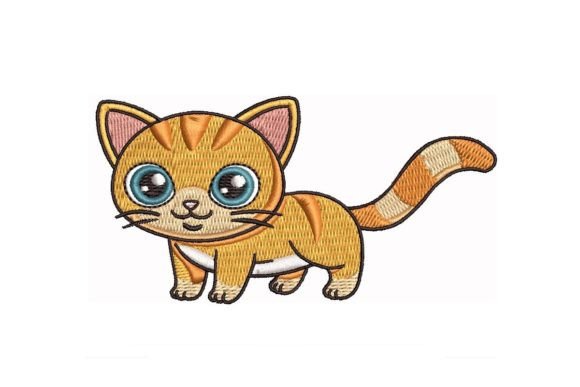
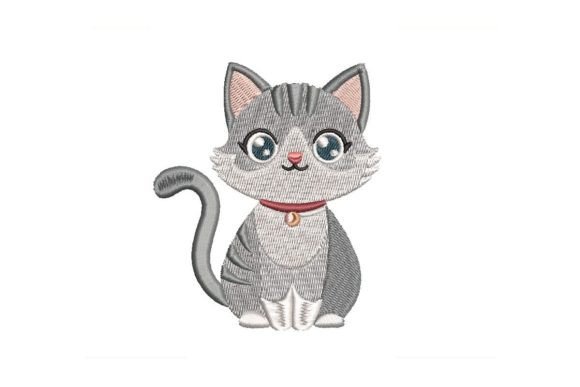
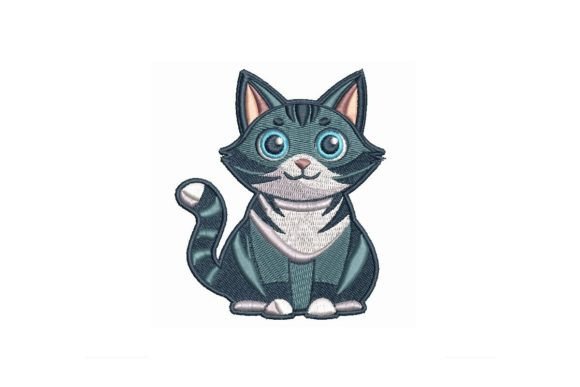
The first thing that strikes you about this design is its approachable charm. It captures feline personality without relying on excessive complexity. In the world of Cats themed art, there is a fine line between detailed realism and stylized cuteness. This design leans heavily into the latter, which is a smart move for smaller hoop sizes. The layout feels balanced, with a visual weight that sits comfortably within the constraints of a 4×4 area. It does not feel cramped, nor does it feel lost in the negative space.
The mood it creates is warm and inviting. For anyone running a boutique shop or selling on Etsy, this emotional connection is vital. Customers are not just buying thread on fabric; they are buying a feeling. This design evokes nostalgia and comfort, making it an excellent candidate for items meant to be cherished, such as baby clothes or holiday gifts.
Real-World Application Scenarios
To truly test the viability of any machine embroidery design, you must imagine it on actual products. I visualized this cat design on several common items to see where it would shine. The most natural fit is undoubtedly custom apparel. Imagine this stitched onto the left chest of a high-quality sweatshirt. The 4×4 size is perfect for this placement—large enough to be noticed, but small enough to remain subtle and professional.
Beyond apparel, I considered its use on home goods. An apron featuring this cat would make a delightful gift for a cat-loving chef. The design’s simplicity ensures it remains clear even after multiple washes, which is crucial for kitchen textiles. I also pictured it on tote bags. As a tote bag design, it adds a playful touch to an otherwise utilitarian item. For Etsy sellers looking to expand their product lines, this versatility is a significant advantage. You can offer the same design on hats, pillows, and hankies, maximizing the value of a single digital embroidery file.
Performance on Different Fabrics
Fabric choice plays a massive role in the final outcome. On stable cottons, like those used for tea towels or pillow covers, the stitches should lay flat and crisp. However, when moving to stretchy fabrics like jersey knits for t-shirts, caution is required. The design needs proper stabilization to prevent puckering. I recommend using a cut-away stabilizer for garments that will be worn and washed frequently. This ensures the finished product maintains its shape and the embroidery does not distort over time.
For textured fabrics, such as fleece or terry cloth, the details might get slightly lost. In these cases, increasing the stitch density slightly or choosing high-contrast thread colors can help the design pop. If you are creating an embroidered patch to be ironed on later, this design works beautifully because the edges are clean and defined, allowing for a neat satin stitch border if desired.
Technical Considerations for Designers
From a technical standpoint, there are specific areas where you need to pay attention. While the description mentions it is tailored for a 4×4 hoop, always verify the exact dimensions in your software before loading it onto your machine. Check the stitch count and density. If the stitch density is too high for a small area, it can cause thread breaks or fabric perforation. Conversely, if it is too low, the backing fabric might show through, especially on dark materials.
I strongly advise testing the design on scrap fabric first. Do not skip this step. Run a test on the same type of material you plan to use for the final product. Pay close attention to the small details. Are the eyes symmetrical? Is the tail connecting properly to the body? These minor elements define the professionalism of your work. Also, inspect the design in black and white mockups. This helps you understand the contrast and structure without the distraction of color. If it looks good in monochrome, it will likely look great in color.
Navigating Licensing and Commercial Use
For craft business owners and small shop product creators, understanding licensing is non-negotiable. Before selling any handmade product featuring this cat, confirm the license terms. Some designers allow unlimited commercial use for physical items, while others restrict digital resale. Since this is a commercial embroidery asset, ensure you are compliant with the creator’s rules. This protects your business and builds trust with your customers.
If you are creating printable mockup assets for your online store, make sure you have the rights to display the design digitally. Many licenses differentiate between selling the physical embroidered item and selling the digital file itself. Always read the fine print to avoid legal issues down the road.
Enhancing Brand Consistency and Value
Using a consistent style across your product line helps build brand recognition. If your shop specializes in whimsical, cute designs, this cat fits perfectly. It enhances the perceived value of your items by adding a unique, handmade touch that mass-produced goods cannot replicate. Customers appreciate the effort and artistry involved in custom apparel and personalized gifts. When they see a well-executed sweatshirt embroidery or a neatly stitched baby embroidery item, they associate that quality with your brand.
This design also works well for seasonal promotions. Think of it as part of a holiday embroidery collection. Add a Santa hat to the cat for Christmas, or a pumpkin for Halloween. The base design is simple enough to allow for creative variations without losing its core identity. This flexibility allows you to keep your inventory fresh without constantly buying new design assets.
Final Verdict
The Cute Cat Embroidery Design is a solid addition to any designer’s library. It balances aesthetic appeal with practical usability. It is not overly complex, which makes it forgiving for beginners, yet it has enough character to satisfy experienced makers. Whether you are embellishing a simple hanky or creating a signature piece for your boutique, this design delivers. Just remember to respect the technical limits of your machine, choose your stabilizers wisely, and always test before you commit to the final piece. With careful execution, this cat will bring joy to both the maker and the recipient.