Cherries Embroidery Design Review for Business
As an embroidery designer who has spent years digitizing files for small businesses, I approach every new machine embroidery design with a critical eye. It is not just about whether the image looks cute on a screen; it is about how that design translates to fabric, withstands washing, and elevates a brand’s identity. Recently, I evaluated the Cherries Embroidery Design, a file tailored specifically for a 4×4 hoop size. For boutique owners, café operators, and handmade product creators, this design offers a unique opportunity to add a sweet, playful touch to commercial merchandise without overwhelming the garment.
First Impressions: Visual Personality and Brand Fit
The immediate impression of the Cherries Embroidery Design is one of approachable charm. In the world of Food and hospitality branding, visuals need to communicate freshness and joy instantly. This design achieves that balance. It does not feel overly rustic or aggressively modern; instead, it sits comfortably in a classic, decorative space that appeals to a wide demographic. For a bakery, a florist, or a local ice cream shop, this aesthetic signals friendliness and quality.
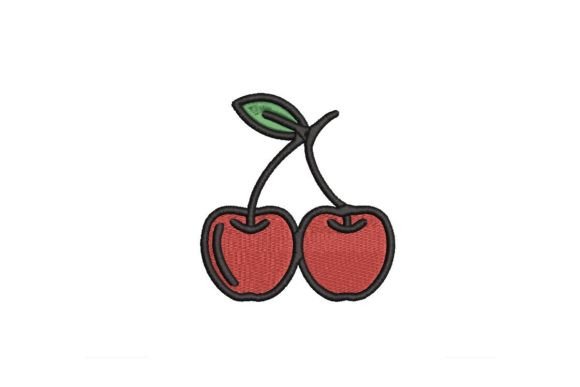
When reviewing the visual structure, I look for clarity. A good embroidery file must maintain its integrity when scaled down. The cherries motif, by nature, relies on recognizable shapes—round fruits and stems. If the digitizing is poor, these shapes blur into a blob of thread. However, this design appears structured to maintain separation between elements, which is crucial for professional results. It feels premium enough for a high-end boutique yet playful enough for a children’s clothing line.
Real-World Applications for Small Business Merch
The true value of any digital embroidery file lies in its versatility. Because this design is optimized for a 4×4 hoop, it is exceptionally well-suited for specific applications where space is limited but impact is required. Here is how I envision this design performing in real business scenarios:
- Staff Uniforms and Aprons: For cafés and bakeries, apron embroidery is a staple. Placing the cherries design on the chest pocket or the upper corner of an apron adds a subtle branded accent that distinguishes staff from customers without being distracting.
- Embroidered Patches: This is perhaps the strongest use case. The 4×4 constraint makes it ideal for creating iron-on or sew-on embroidered patch products. These can be sold as standalone accessories or used to brand tote bags and hats post-production, allowing for inventory flexibility.
- Cap Embroidery: Front-panel cap branding requires compact designs. The cherry motif fits neatly above the brim, offering a pop of color that draws the eye. It works particularly well for summer-themed collections or fruit-based brands.
- Tote Bag Design: Canvas totes are a huge seller for Etsy creators. A small cluster of cherries near the handle or centered on the bag provides a minimalist handmade product appeal that customers love.
For small business merch, consistency is key. Using the same Cherries Embroidery Design across aprons, patches, and packaging inserts creates a cohesive visual language. It helps customers recognize your brand instantly, building trust and professionalism.
Technical Considerations and Production Notes
While the design is appealing, technical execution determines whether the finished product looks amateur or professional. As a designer, I always advise testing before full production. Here are the critical factors to consider when using this file:
Fabric Texture and Stabilizer Choice
The success of any commercial embroidery project depends heavily on the interaction between thread and fabric. Cherries often require vibrant reds and greens. On dark uniforms, you must ensure the digitizing includes proper underlay stitching to prevent the garment color from showing through. Additionally, stitch density must be balanced. If the density is too high on lightweight t-shirts, the fabric will pucker. If it is too low on heavy canvas tote bags, the backing may show. Always use the appropriate stabilizer—cut-away for stretchy fabrics like sweatshirts, and tear-away for stable woven fabrics like aprons.
Scale and Legibility
Although the design is tailored for a 4×4 hoop, do not assume it will work at every size within that limit. Test it at the smallest intended application, such as a small patch or a sleeve detail. Check if the stems remain distinct and if the cherry shapes remain round. If the details merge, the design may need adjustment or should only be used at larger scales. This is vital for maintaining brand identity; a blurry logo undermines perceived quality.
Thread Color Contrast
Color selection can make or break the design. While traditional red and green are obvious choices, consider your brand palette. A monochrome version in black and white can look incredibly sophisticated and modern, suitable for high-end custom apparel. However, you must verify that the contrast is sufficient. Before running a full batch, stitch out a test sample in your intended thread colors to ensure the design pops against the fabric background.
Enhancing Brand Identity and Customer Trust
In the competitive landscape of online selling, particularly on platforms like Etsy, visual consistency drives sales. Incorporating the Cherries Embroidery Design into your product line does more than decorate an item; it signals attention to detail. Customers associate embroidered elements with higher value compared to printed graphics. An embroidered patch on a tote bag suggests durability and craftsmanship.
Furthermore, this design supports printable mockup creation. By digitizing this asset into your marketing materials, you can show potential clients exactly how the branding will look on various items. This transparency reduces hesitation and increases conversion rates. It transforms a simple Food-themed graphic into a strategic design asset that supports your overall marketing strategy.
Final Verdict and Practical Advice
The Cherries Embroidery Design is a strong contender for small businesses looking to add personality to their merchandise. Its 4×4 hoop compatibility makes it versatile for patches, caps, and apparel accents. However, success relies on proper execution.
- Test First: Always stitch a sample on the actual fabric you intend to use. Check for puckering, thread breaks, or color bleeding.
- Check Licensing: Confirm the commercial licensing terms of the digital embroidery file before selling products made with it. Ensure you have the right to use it for commercial embroidery projects.
- Mockup Approval: If working with clients, create a digital mockup showing the design on their specific garment. This manages expectations and ensures satisfaction.
- Maintain Consistency: Use the same thread colors and placement guidelines across all products to strengthen brand identity.
By treating this design as a core component of your branding toolkit rather than just a decorative element, you can enhance the perceived value of your handmade product lines. Whether you are outfitting a local café or launching a new line of boutique accessories, the Cherries Embroidery Design offers a reliable, charming solution for professional custom apparel and merchandise.