Campsite 3 Embroidery Design Review
As an embroidery designer who spends countless hours digitizing and testing files for boutique apparel, I have learned that the right design can elevate a simple garment into a high-value product. Recently, while curating assets for a new seasonal collection, I came across the Campsite 3 Embroidery Design on Creative Fabrica. For those of us running small clothing brands or Etsy shops, finding versatile, high-quality machine embroidery designs is essential. This review explores how this specific file performs in real-world applications, from sweatshirt embellishments to delicate tote bag accents.
First Impressions and Visual Personality
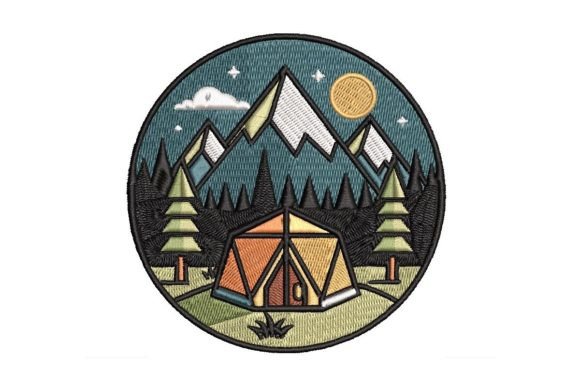
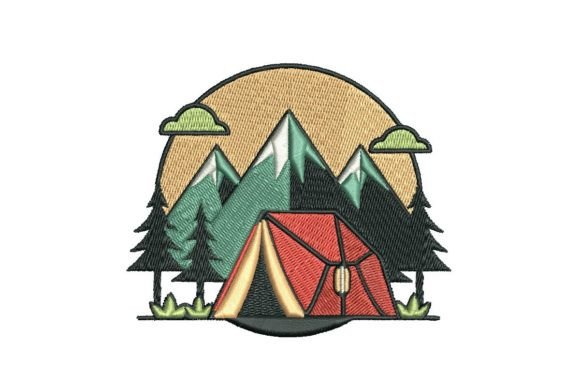
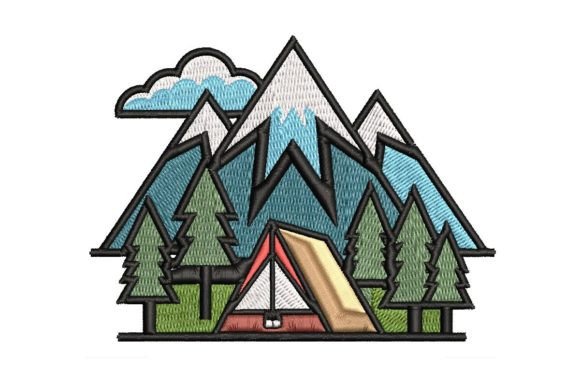
The first thing that strikes you about the Campsite 3 Embroidery Design is its serene visual personality. It captures the essence of the outdoors without being overly busy or loud. The stitching mood feels tranquil and rustic, making it an excellent choice for brands that focus on slow living, nature-inspired aesthetics, or cozy lifestyle products. The detail level is balanced; it offers enough intricacy to look premium and professional, yet it remains clean enough to read clearly even at smaller scales.
For boutique brand owners, this design bridges the gap between casual and classic. It does not scream "trendy" in a way that will feel dated next season. Instead, it offers a timeless appeal that works well for both feminine and unisex collections. Whether you are aiming for a playful vibe on a pastel hoodie or a bold statement on dark apparel, the design adapts gracefully. Its decorative strength lies in its simplicity, allowing the texture of the thread and the quality of the fabric to shine through.
Versatility in Apparel and Accessories
One of the strongest selling points of this digital embroidery file is its adaptability across various garments. Since it is tailored for a 4×4 hoop size, it is compact enough to fit in numerous strategic locations on clothing and accessories. Here is how I envision using it in a commercial embroidery context:
- Sweatshirt Embroidery: This is perhaps the most natural home for the design. Placed on the left chest of a neutral or oversized sweatshirt, it adds a subtle touch of sophistication. The 4×4 footprint ensures it does not overwhelm the garment, maintaining a minimalist aesthetic that buyers love.
- Hoodie Design: For hoodies, consider placing the design on the sleeve or near the cuff. This unexpected placement can make your handmade product stand out in a crowded marketplace. It also works beautifully centered on the chest for a classic look.
- T-Shirt Embroidery: On lighter fabrics like cotton t-shirts, the design adds perceived value. It transforms a basic tee into a custom apparel piece that commands a higher price point.
- Tote Bag Design: Canvas tote bags are staples for eco-conscious shoppers. Embroidering this camping-themed motif on a sturdy tote creates a durable, stylish accessory that promotes your brand every time the customer uses it.
- Denim Jackets and Aprons: The rustic nature of the design pairs exceptionally well with denim or heavy canvas aprons. It adds a layer of texture and interest that printed graphics simply cannot achieve.
Technical Considerations for Production
While the aesthetic appeal is strong, successful execution depends on technical precision. As an experienced designer, I always advise testing any new embroidery file before committing to a full production run. Here are critical factors to consider when working with the Campsite 3 Embroidery Design:
Fabric Texture and Stabilizer Choice: The performance of your stitch density relies heavily on the fabric texture. For fleece or thick sweatshirt material, ensure you use a cut-away stabilizer to prevent puckering. If you are embroidering on stretchy fabric or ribbed areas, proper stabilization is non-negotiable. Always test on scrap fabric that matches your final garment to check for registration issues.
Hoop Size and Placement: Since this design is optimized for a 4×4 hoop, confirm that your machine’s hoop capacity matches this requirement. When placing the design on curved surfaces, such as the sleeve of a hoodie or the pocket of a jacket, take care to hooping securely to avoid distortion. Small chest placements require precise centering to maintain visual consistency across multiple units.
Thread Color Contrast: The visibility of the design changes dramatically based on thread colors. On dark garments, use light or metallic threads to make the details pop. On pastel hoodies, tonal threading can create a subtle, elegant effect. Review thread color contrast carefully during your test runs to ensure the design reads well from a distance.
Enhancing Brand Identity and Value
Incorporating high-quality embroidery into your small shop product line does more than just decorate clothing; it builds brand identity. Customers associate embroidered items with durability and craftsmanship. By using a well-digitized file like Campsite 3, you signal professional presentation and attention to detail. This builds buyer trust and encourages repeat purchases.
For Etsy sellers and creative entrepreneurs, visual consistency is key to social media graphics and printable mockups. A clean, recognizable motif helps customers instantly identify your brand. When you photograph your finished product, the texture of the embroidery catches the light differently than prints, adding depth to your lifestyle product photos. This visual appeal drives customer engagement and can significantly boost conversion rates.
Practical Notes for Commercial Use
Before listing your finished products, there are a few administrative and practical steps to take. First, always check Creative Fabrica product details and licensing terms. Ensure that the license allows for commercial embroidery products if you plan to sell the physical items. While many files on Creative Fabrica come with commercial rights, it is vital to confirm this to protect your business.
Second, inspect the stitch density of the file. High-density stitches on thin fabrics can cause stiffness or tearing. If the design feels too dense for your chosen material, consider adjusting your stabilizer or testing on a heavier fabric blend. Finally, compare placement options on different garment sizes. A design that looks perfect on a medium sweatshirt might need slight adjustment on an extra-large or youth-sized item to maintain proportional balance.
In conclusion, the Campsite 3 Embroidery Design is a valuable asset for any embroidery designer looking to expand their boutique apparel offerings. Its versatility, combined with its tranquil aesthetic, makes it suitable for a wide range of projects, from cozy seasonal outfits to everyday tote bags. By paying attention to technical details like stabilizer choice and thread contrast, you can produce high-quality, professional results that enhance your brand’s reputation and delight your customers.